6 min read
Why Is Finding Reliable Temporary Workers So Difficult?
Published on 28 Sep 2026
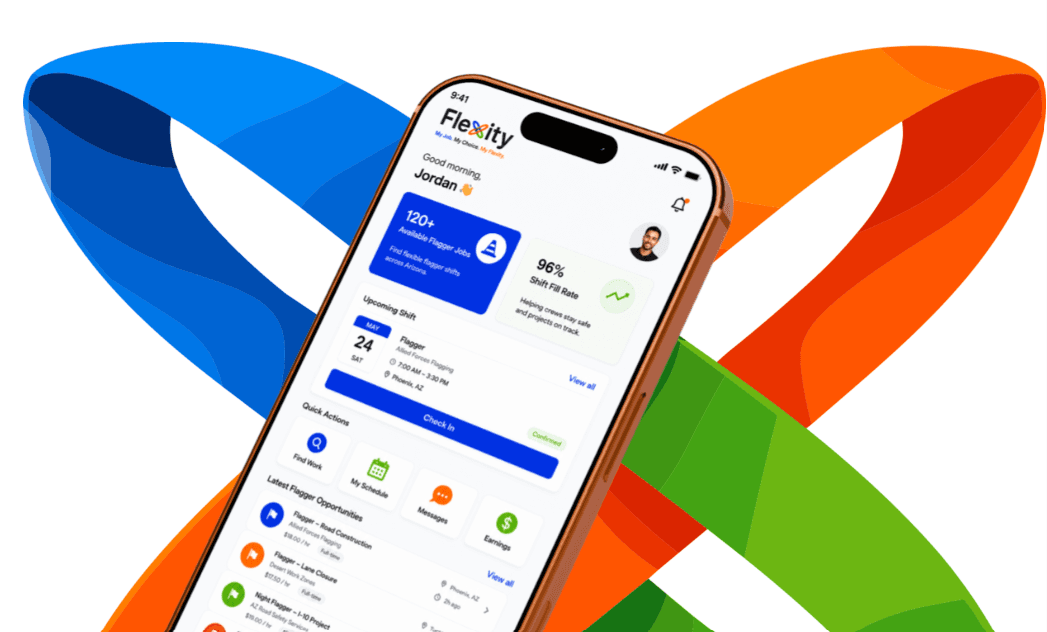
Temporary staffing is supposed to solve a simple problem.
A business needs people. Workers are looking for opportunities. A staffing company brings the two together.
So why can something that sounds so straightforward still feel so complex?
For businesses, finding reliable temporary workers can mean spending hours communicating with staffing providers, reviewing candidates, coordinating schedules, confirming availability, managing onboarding, and hoping the person who shows up is the right fit.
For workers, finding flexible work can be just as frustrating. Opportunities can be scattered across different companies, phone calls, websites, emails, and applications. Communication isn’t always clear, and finding the right opportunity at the right time can take more effort than it should.
The problem isn’t a lack of people or a lack of opportunities.
The problem is how those two sides are being connected.
Staffing Has Changed. Technology Hasn’t Caught Up.
Nearly every part of our lives has become easier through technology.
We order food from an app.
We book a ride from our phones.
We manage our finances online.
We communicate instantly.
We can find a place to stay, buy a product, schedule an appointment, or connect with someone anywhere in the world in a matter of minutes.
But when it comes to finding temporary work or finding temporary workers, much of the process can still feel surprisingly old-fashioned.
Businesses may still rely on emails, phone calls, spreadsheets, separate systems, and manual processes to answer basic questions:
Who’s available?
Who is qualified?
Who can start today?
Where are they located?
Have they completed onboarding?
Can they work this shift?
And for workers:
What jobs are available?
Where are they?
What do they pay?
When can I start?
How do I communicate with the company?
There shouldn’t be so much friction between a person who wants to work and a business that needs someone to work.
Reliability Is About More Than Showing Up
When businesses say they need reliable temporary workers, they’re usually talking about much more than attendance.
They need people who are qualified.
They need people who understand the assignment.
They need people who communicate.
They need people who can work when they’re needed.
And most importantly, they need confidence that the person being sent is actually the right person for the job.
That confidence becomes difficult to create when information is fragmented across multiple systems and communication channels.
The more manual the process becomes, the more opportunities there are for things to get lost in the shuffle.
A missed message.
An outdated availability status.
A delayed response.
A worker who accepted another opportunity.
A client who doesn’t have the information they need.
Small breakdowns can create big problems.
Temporary Work Should Be Flexible
The word temporary shouldn’t make the process more complicated.
In fact, temporary work is built around flexibility.
Workers may want to pick up opportunities that fit their schedules, skills, locations, and goals.
Businesses may need additional help because of seasonal demand, unexpected changes, new projects, or simply because they need to keep their operations moving.
Those needs can change quickly.
Technology should make it easier to respond to those changes—not harder.
The staffing industry has spent decades developing better ways to recruit, screen, place, and manage workers. But the expectations of workers and businesses have evolved faster than many of the systems used to connect them.
And that’s creating a gap.
There Has to Be a Simpler Way
The future of staffing shouldn’t be about adding another layer of complexity.
It should be about removing it.
Workers shouldn’t have to navigate a complicated process just to find their next opportunity.
Businesses shouldn’t have to manage disconnected tools just to find the people they need.
The technology already exists to make the experience more connected, more transparent, and more efficient.
The question is whether the staffing industry is ready to embrace it.
At Labor Systems, we believe it is.
Because staffing is ultimately about people.
And when technology is designed around people—not processes—the entire experience can change.
The future of staffing is coming.
And soon, we’ll show you a simpler, more effective approach.